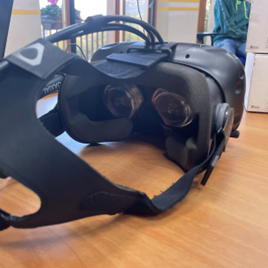
The impacts of digital transition on the role of trainers are one of the crucial topics that SFC is engaged in at the European level. Research on the use of innovative pedagogies and digital techniques to make work-based vocational training a sustainable methodology, even at a distance, safely adapting the logic of learning in virtual and augmented reality spaces. We share our most recent challenge and our upcoming objectives, inviting you to be a part of it.
Digitalization has forcefully entered all education systems, implying new ways to design work-based learning experiences. This trend presents a series of advantages and disadvantages for trainers (including teachers, laboratory experts, company tutors, and all those profiles contributing to people's growth by sharing their expertise) and institutions engaged in the challenging task of expanding students' knowledge and skills while supporting the criteria for quality and effectiveness of learning.
This is the shared starting point for the 8 partners from 5 European countries involved in the "Deal with Digital work-based learning" project. Starting with the sharing of training experiences closely aligned with companies, the European research group led by SFC is collecting innovative pedagogical methodologies and technological tools that help reinvent the approach to work-based learning (WBL) in virtual learning environments.
What factors determine the quality of a digital work-based learning practice? What are the possible application scenarios? How widespread are augmented reality (AR), virtual reality (VR), and the Metaverse in technical and experiential learning systems? What are the key digital elements and competencies of designers, trainers, and assessors for designing vocational training courses in virtual environments? These are some of the questions that the research group shared with a group of experts who participated in the online ERASMUS DAYS event on October 13th to share experiences, insights, and practical aspects of digital work-based learning cases.
Studying some case studies, it became clear that defining a digital product for work-based learning is the result of an interdisciplinary team capable of cooperating with specific skills related to the process to be learned (process execution technicians), the ability to apply innovative pedagogical approaches, and the development of digital tools for learning and assessment. It is necessary to know the technological infrastructure available and potentially be able to establish agreements with local partners and stakeholders who can contribute to the development of the training product.
After presenting the project framework, Ivana Russiello and Francesca Galanti (SFC) gave the plan to Pablo Baztán Quemada (Universitat Oberta de Catalunya). The speaker shared the key elements and best practices of work-based learning in a digital environment. Laura Eigbrecht (Duale Hochschule Baden-Württemberg) presented the emerging competency framework for trainers involved in the digital transition of education and the development of innovative teaching strategies.
The next project step is the realization of a school for trainers interested in developing digital work-based learning. On March 12th and 13th, 2023, Duale Hochschule Baden-Württemberg will host at least 8 trainers from various partner countries of the project and lead the discussions to deepen the potentials and usability of digital work-based learning systems.
If you would like more details about the program on March 12th and 13th, 2023, in Karlsruhe, please follow us on the project website. If you have experiences with digital work-based learning that you would like to share with the European learning community of the "Deal with Digital work-based learning" project, we invite you to join the Digital work-based learning AMBASSADOR program, a series of meetings, thematic workshops, in-depth sessions scheduled for 4 monthly meetings from February to May 2023.
Attached are some program details that we would be pleased to present to you directly by writing to
The impacts of digital transition on the role of trainers are one of the crucial topics that SFC is engaged in at the European level. Research on the use of innovative pedagogies and digital techniques to make work-based vocational training a sustainable methodology, even at a distance, safely adapting the logic of learning in virtual and augmented reality spaces. We share our most recent challenge and our upcoming objectives, inviting you to be a part of it.
Digitalization has forcefully entered all education systems, implying new ways to design work-based learning experiences. This trend presents a series of advantages and disadvantages for trainers (including teachers, laboratory experts, company tutors, and all those profiles contributing to people's growth by sharing their expertise) and institutions engaged in the challenging task of expanding students' knowledge and skills while supporting the criteria for quality and effectiveness of learning.
This is the shared starting point for the 8 partners from 5 European countries involved in the "Deal with Digital work-based learning" project. Starting with the sharing of training experiences closely aligned with companies, the European research group led by SFC is collecting innovative pedagogical methodologies and technological tools that help reinvent the approach to work-based learning (WBL) in virtual learning environments.
What factors determine the quality of a digital work-based learning practice? What are the possible application scenarios? How widespread are augmented reality (AR), virtual reality (VR), and the Metaverse in technical and experiential learning systems? What are the key digital elements and competencies of designers, trainers, and assessors for designing vocational training courses in virtual environments? These are some of the questions that the research group shared with a group of experts who participated in the online ERASMUS DAYS event on October 13th to share experiences, insights, and practical aspects of digital work-based learning cases.
Studying some case studies, it became clear that defining a digital product for work-based learning is the result of an interdisciplinary team capable of cooperating with specific skills related to the process to be learned (process execution technicians), the ability to apply innovative pedagogical approaches, and the development of digital tools for learning and assessment. It is necessary to know the technological infrastructure available and potentially be able to establish agreements with local partners and stakeholders who can contribute to the development of the training product.
After presenting the project framework, Ivana Russiello and Francesca Galanti (SFC) gave the plan to Pablo Baztán Quemada (Universitat Oberta de Catalunya). The speaker shared the key elements and best practices of work-based learning in a digital environment. Laura Eigbrecht (Duale Hochschule Baden-Württemberg) presented the emerging competency framework for trainers involved in the digital transition of education and the development of innovative teaching strategies.
The next project step is the realization of a school for trainers interested in developing digital work-based learning. On March 12th and 13th, 2023, Duale Hochschule Baden-Württemberg will host at least 8 trainers from various partner countries of the project and lead the discussions to deepen the potentials and usability of digital work-based learning systems.
If you would like more details about the program on March 12th and 13th, 2023, in Karlsruhe, please follow us on the project website. If you have experiences with digital work-based learning that you would like to share with the European learning community of the "Deal with Digital work-based learning" project, we invite you to join the Digital work-based learning AMBASSADOR program, a series of meetings, thematic workshops, in-depth sessions scheduled for 4 monthly meetings from February to May 2023.
Attached are some program details that we would be pleased to present to you directly by writing to