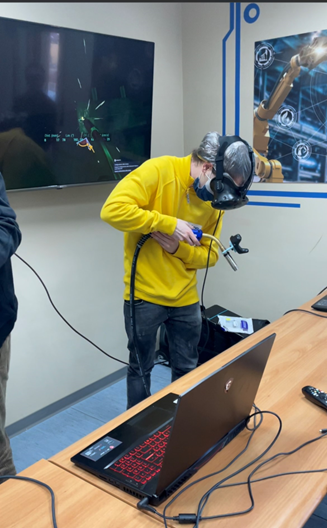
In the context of the Deal with Digital Work-Based Learning (D-WBL) project, the European research group is engaged in defining guidelines for educators (teachers, tutors, instructional design experts, training center coordinators, etc.) interested in developing or adapting best practices in Digital VET (Vocational Education and Training), including virtual work-based learning experiences.
The guidelines for designing integrated training programs with digital work-based learning will be developed based on the information gathered in the research phase, which is structured as follows:
-
Analysis of existing literature: Despite the extensive literature on digital technologies for learning, the topic of digital work-based learning requires specific exploration. From the use of sophisticated machinery simulators to virtual interaction and learning environments (including the metaverse), the evolution of virtual and augmented reality technologies significantly impacts this learning methodology. The research group is working on systematizing the most recent methodological contributions.
-
Collection of best practices: The European research team of the project, following a definition of criteria for best practices in digital work-based learning, is engaged in researching and systematizing contributions. In this regard, the dialogue between the project team and industry experts is always open: if you have an interesting case of digital work-based learning in any learning sector, you can report it to the research group and become part of the project's stakeholder community.
-
Conducting Focus Groups to adequately synthesize the results: The key points obtained in the previous two steps are used to prepare focus groups. A total of 7 focus groups will be conducted, involving approximately 40 participants from the 5 participating countries: Italy, Germany, Spain, Lithuania, and Hungary. These focus groups are a valuable source of knowledge, thanks to the variety of perspectives represented by the participants and their experiences. Starting with the stakeholders involved in the project, including student representatives, parents of students, teachers, training center coordinators, Ed Tech companies, and entrepreneurs engaged in education, the European research group will offer a synthesis and systematization of the criteria that enhance the quality of learning experiences integrated with digital work-based learning.
The integration of these key elements into a visual and practical guide will serve a dual purpose:
-
Provide technical support to educators through the systematization of methodologies and design criteria for digital work-based learning, aiming to address open questions such as:
- How and why to define a "good" practice of digital work-based learning?
- Who are the stakeholders and conditions for a successful implementation of digital work-based learning?
- What is the role of digital work-based learning in dual training contexts?
-
Guide educators in the field of Vocational Education and Training (VET) to develop the competencies required to assess the pros and cons and integrate digital work-based learning into programs for young and adult learners. This is the second project outcome, which will include training programs for educators interested in learning how to design, deliver, and evaluate learning through digital work-based learning.
The next project meeting is scheduled for September 2022, and the release of the guidelines is expected in the fall. For more information and to participate in the project, you can write to:
In the context of the Deal with Digital Work-Based Learning (D-WBL) project, the European research group is engaged in defining guidelines for educators (teachers, tutors, instructional design experts, training center coordinators, etc.) interested in developing or adapting best practices in Digital VET (Vocational Education and Training), including virtual work-based learning experiences.
The guidelines for designing integrated training programs with digital work-based learning will be developed based on the information gathered in the research phase, which is structured as follows:
-
Analysis of existing literature: Despite the extensive literature on digital technologies for learning, the topic of digital work-based learning requires specific exploration. From the use of sophisticated machinery simulators to virtual interaction and learning environments (including the metaverse), the evolution of virtual and augmented reality technologies significantly impacts this learning methodology. The research group is working on systematizing the most recent methodological contributions.
-
Collection of best practices: The European research team of the project, following a definition of criteria for best practices in digital work-based learning, is engaged in researching and systematizing contributions. In this regard, the dialogue between the project team and industry experts is always open: if you have an interesting case of digital work-based learning in any learning sector, you can report it to the research group and become part of the project's stakeholder community.
-
Conducting Focus Groups to adequately synthesize the results: The key points obtained in the previous two steps are used to prepare focus groups. A total of 7 focus groups will be conducted, involving approximately 40 participants from the 5 participating countries: Italy, Germany, Spain, Lithuania, and Hungary. These focus groups are a valuable source of knowledge, thanks to the variety of perspectives represented by the participants and their experiences. Starting with the stakeholders involved in the project, including student representatives, parents of students, teachers, training center coordinators, Ed Tech companies, and entrepreneurs engaged in education, the European research group will offer a synthesis and systematization of the criteria that enhance the quality of learning experiences integrated with digital work-based learning.
The integration of these key elements into a visual and practical guide will serve a dual purpose:
-
Provide technical support to educators through the systematization of methodologies and design criteria for digital work-based learning, aiming to address open questions such as:
- How and why to define a "good" practice of digital work-based learning?
- Who are the stakeholders and conditions for a successful implementation of digital work-based learning?
- What is the role of digital work-based learning in dual training contexts?
-
Guide educators in the field of Vocational Education and Training (VET) to develop the competencies required to assess the pros and cons and integrate digital work-based learning into programs for young and adult learners. This is the second project outcome, which will include training programs for educators interested in learning how to design, deliver, and evaluate learning through digital work-based learning.
The next project meeting is scheduled for September 2022, and the release of the guidelines is expected in the fall. For more information and to participate in the project, you can write to: